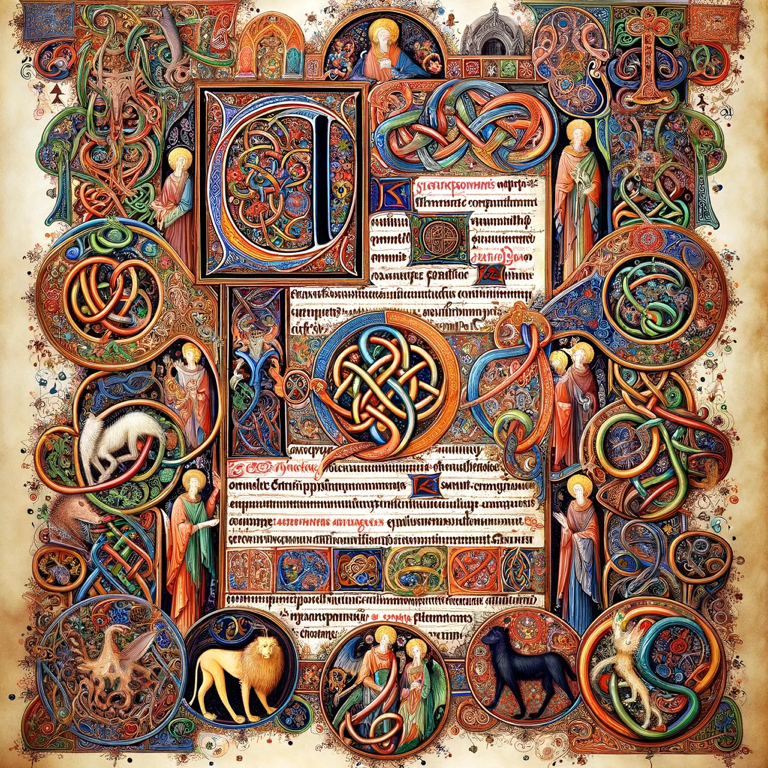
Il Libro di Kells, conosciuto anche come il Grande Evangeliario di San Columba, è un capolavoro dell’arte religiosa e uno dei più straordinari manoscritti miniati sopravvissuti dall’Alto Medioevo. Realizzato intorno all’anno 800 d.C., il libro è attribuito a monaci celtici e prende il nome dall’Abbazia di Kells, nella contea di Meath, in Irlanda, dove fu conservato per gran parte del Medioevo.
Il Libro di Kells è rinomato per la sua straordinaria decorazione. Contiene i quattro Vangeli del Nuovo Testamento insieme a vari prefazi, indici e testi esplicativi. Le pagine sono adornate con intricati disegni che includono motivi celtici intrecciati, figure umane, animali e creature mitologiche, tutti realizzati con una straordinaria abilità e attenzione ai dettagli.
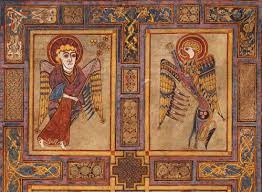
La creazione del libro è avvolta nel mistero. Sebbene tradizionalmente si creda che sia stato iniziato nell’isola di Iona, al largo della costa scozzese, per poi essere completato a Kells, questa teoria non è universalmente accettata. Ciò che è certo è che la maestria e la creatività dimostrate nel manoscritto riflettono l’alto livello di competenza artistica e tecnica raggiunto dai monaci dell’epoca.
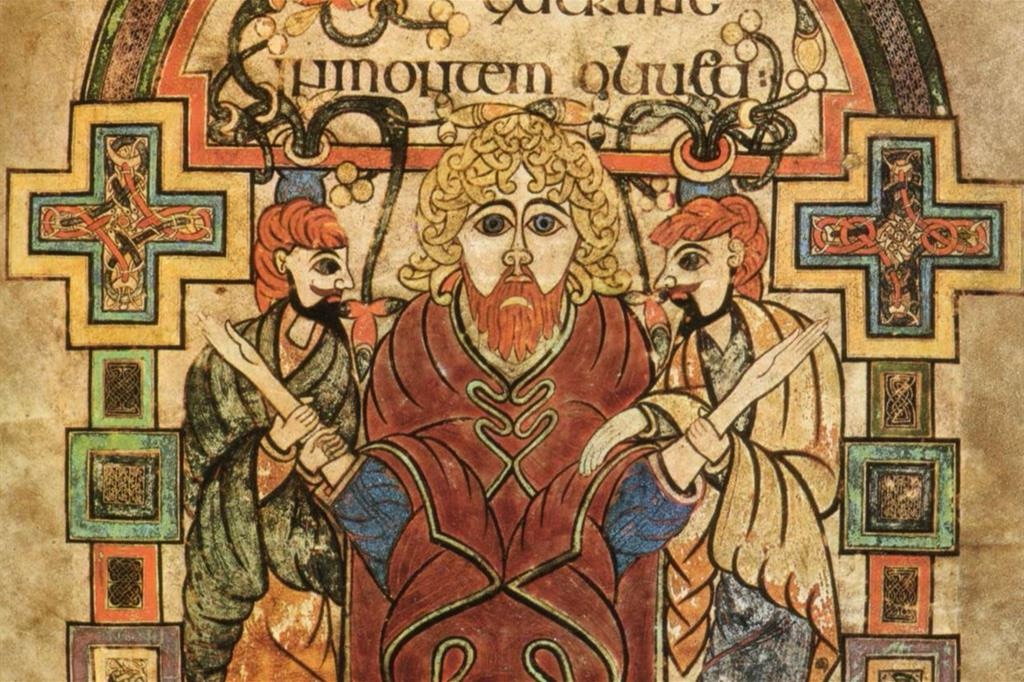
Il Libro di Kells non è solo un capolavoro artistico, ma anche un importante documento storico. Offre una visione della spiritualità e della cultura della società celtica cristiana e del ruolo centrale che i monasteri avevano come centri di apprendimento e di conservazione del sapere in un’Europa in gran parte analfabeta.
Oggi, il Libro di Kells è conservato al Trinity College di Dublino, dove è esposto al pubblico. Anche dopo più di un millennio, continua a essere un oggetto di fascino e ammirazione, attraendo studiosi e turisti da tutto il mondo per la sua bellezza senza tempo e la sua rilevanza storica.
The Book of Kells, also known as the Great Gospel Book of Saint Columba, is a masterpiece of religious art and one of the most extraordinary illuminated manuscripts to survive from the Early Medieval period. Created around 800 AD, the book is attributed to Celtic monks and is named after the Abbey of Kells in County Meath, Ireland, where it was kept for much of the Middle Ages.
Renowned for its extraordinary decoration, the Book of Kells contains the four Gospels of the New Testament along with various prefaces, indexes, and explanatory texts. Its pages are adorned with intricate designs that include intertwined Celtic motifs, human figures, animals, and mythical creatures, all executed with extraordinary skill and attention to detail.
The creation of the book is shrouded in mystery. Although traditionally believed to have been started on the island of Iona, off the Scottish coast, and then completed in Kells, this theory is not universally accepted. What is certain is that the craftsmanship and creativity displayed in the manuscript reflect the high level of artistic and technical expertise achieved by monks of the time.
The Book of Kells is not just an artistic masterpiece but also an important historical document. It offers insights into the spirituality and culture of Christian Celtic society and the central role monasteries played as centers of learning and knowledge preservation in a largely illiterate Europe.
Today, the Book of Kells is housed at Trinity College Dublin, where it is displayed to the public. Even after more than a millennium, it continues to be an object of fascination and admiration, attracting scholars and tourists from around the world for its timeless beauty and historical significance.
Grazielladwan
 grazielladwan
Lascia un commento